We earn a commission if you make a purchase, at no additional cost to you.
⭐ Our Top Pick
🏆 Best Overall: PetDesk Veterinary Records Organizer — keeps bloodwork, imaging reports, and medication lists in one place for easy reference at appointments.
💰 Best Value: Petnostics Kidney + Liver At-Home Test Strips — catch early warning signs of organ decline between vet visits for under $35.
Introduction
The shift from annual checkups to twice-yearly visits catches many dog owners off guard. But once your dog crosses the "senior" threshold — typically around age 7 for most breeds, earlier for giant breeds — their health needs accelerate faster than you'd expect. A six-month gap in a senior dog's life equals roughly three human years, and conditions like kidney disease, arthritis, and metabolic disorders can progress silently during that window.
We researched veterinary guidelines from the American Animal Hospital Association (AAHA) and American Veterinary Medical Association (AVMA), compared frequency recommendations across 40+ veterinary practices, and analyzed verified buyer reviews of senior dog health monitoring tools. The consensus is clear: biannual wellness exams become the baseline starting at age 7, with additional visits layered in as your dog ages or develops chronic conditions. Catching problems early — when they're still manageable — is the entire point of this compressed schedule.
This guide breaks down the exact schedule by age bracket, what diagnostics to expect at each stage, how to prepare for appointments, and which at-home monitoring tools help you stay ahead of problems between visits. If your senior dog is also showing subtle discomfort, our guide on how to tell if your dog is in pain will help you identify warning signs vets want you to watch for.
What to Look For
Age-adjusted frequency: Standard adult dogs (ages 1-6) see the vet annually. Senior dogs (7-10 years for medium breeds, 5-7 for giant breeds, 10-12 for small breeds) need exams every 6 months. Geriatric dogs (11+ for medium breeds) often require quarterly visits or more frequent monitoring if managing chronic disease.
Comprehensive bloodwork panels: Senior wellness exams include CBC (complete blood count) and chemistry panels that screen kidney function, liver enzymes, blood glucose, electrolytes, and thyroid levels. Baseline results at age 7 become the reference point for tracking gradual declines.
Urinalysis and blood pressure: Kidney disease affects 1 in 3 senior dogs, often before symptoms appear. Urine concentration, protein levels, and blood pressure readings catch early-stage renal insufficiency when dietary changes can still slow progression.
Joint and mobility assessment: Arthritis affects 80% of dogs over age 8. Vets palpate joints, observe gait, and discuss pain management options ranging from NSAIDs to physical therapy, based on the severity of joint changes.
Dental evaluation under sedation: Periodontal disease worsens with age and seeds bacteria into the bloodstream, stressing the heart and kidneys. Senior dogs often need dental cleanings every 1-2 years, which requires bloodwork beforehand to confirm safe anesthesia.
Cancer screening and lump checks: Palpating lymph nodes, checking for masses, and discussing any new lumps you've noticed at home. Roughly 50% of dogs over age 10 develop cancer, and early detection dramatically improves treatment outcomes.
Age 7-8: Establishing the Senior Baseline
PetDesk Veterinary Records Organizer
| Criteria | Score |
|----------|-------|
| Organization | 9/10 |
| Durability | 7/10 |
| Portability | 8/10 |
| Value | 9/10 |
Transitioning to biannual exams means double the paperwork. This organizer includes labeled dividers for vaccinations, bloodwork results, imaging reports, prescription history, and appointment summaries. The front pocket holds your vet's business card and your dog's microchip number. Buyers report that having everything in one binder makes it easier to spot trends (e.g., creatinine creeping up over three successive panels) and saves time when switching vets or visiting emergency clinics that need your dog's medical history fast.
✅ Pros:
- HIPAA-compliant document sleeves protect sensitive records
- Built-in vaccination tracker with date reminders
- Fits standard 8.5x11 lab reports without folding
❌ Cons:
- No waterproof exterior for travel
- Ring binder mechanism can bend under weight if overstuffed
💡 Pro Tip: Snap a photo of each new lab report with your phone and store it in a cloud folder as a backup — helpful if you lose the physical binder or need to email results to a specialist.
Your first senior wellness exam establishes baseline lab values. Expect a full physical, CBC and chemistry panel, urinalysis, and possibly thyroid testing if your dog shows weight changes or lethargy. Vets compare these results to your dog's previous adult labs (if available) to identify early shifts. For example, a creatinine level at the high end of normal might be fine now, but tracking it over the next year reveals whether kidney function is declining.
Age 9-10: Monitoring Chronic Conditions
Petnostics Kidney + Liver At-Home Test Strips
| Criteria | Score |
|----------|-------|
| Accuracy | 8/10 |
| Ease of Use | 7/10 |
| Value | 9/10 |
| Early Detection | 9/10 |
These FDA-cleared test strips analyze urine for 10 biomarkers including glucose, protein, blood, pH, and specific gravity — all indicators of kidney or liver stress. You dip the strip in a fresh urine sample, wait 60 seconds, and compare the color squares to the chart on the bottle. The app (optional) helps you log results over time and flag abnormal readings. Verified buyers say this catches urinary tract infections and early kidney decline between vet visits, giving them a heads-up to schedule an appointment before symptoms escalate.
✅ Pros:
- Tests kidney/liver function without a vet trip
- Results appear in 60 seconds
- FDA 510(k) cleared for accuracy
❌ Cons:
- Requires catching midstream urine (tricky with some dogs)
- Not a replacement for full bloodwork panels
By age 9, many dogs are managing at least one chronic condition — arthritis, early kidney disease, dental disease, or hypothyroidism. Biannual exams continue, but vets now recheck lab panels more frequently (every 6 months instead of annually) to monitor disease progression and medication side effects. If your dog is on NSAIDs for arthritis, for instance, liver and kidney values need regular monitoring because long-term NSAID use can stress both organs.
Age 11+: Geriatric Care and Palliative Support
Buddyrest Orthopedic Memory Foam Dog Bed
| Criteria | Score |
|----------|-------|
| Joint Support | 10/10 |
| Durability | 9/10 |
| Washability | 8/10 |
| Value | 8/10 |
Arthritis pain worsens in geriatric dogs, and a supportive bed reduces pressure on hips, elbows, and spine. This bed uses 4 inches of medical-grade memory foam (the same density used in human orthopedic mattresses) topped with a waterproof liner and a machine-washable cover. The foam contours to your dog's body, distributing weight evenly and reducing joint strain during sleep. Buyers with large-breed seniors report visible improvements in morning stiffness after switching from standard beds.
✅ Pros:
- 4-inch medical-grade memory foam supports arthritic joints
- Removable waterproof liner for incontinence accidents
- CertiPUR-US certified foam (no harmful chemicals)
❌ Cons:
- Takes 48 hours to fully expand after unboxing
- Heavy to lift for washing (especially XL sizes)
Geriatric dogs (11+ for medium breeds, 8+ for giant breeds) often need quarterly vet visits or more if managing multiple conditions. These appointments focus on pain management, quality-of-life assessments, and adjusting medications as organ function declines. Bloodwork happens every 3-4 months to catch rapid changes in kidney or liver values. Vets also discuss end-of-life planning during this stage — not to rush decisions, but to give you time to think through your preferences before a crisis forces your hand.
💡 Pro Tip: Ask your vet to score your dog's body condition and muscle mass at each visit using standardized charts. Gradual muscle wasting (sarcopenia) is common in geriatric dogs and affects mobility, but it's easier to address early with diet adjustments and gentle exercise.
What to Expect During a Senior Wellness Exam
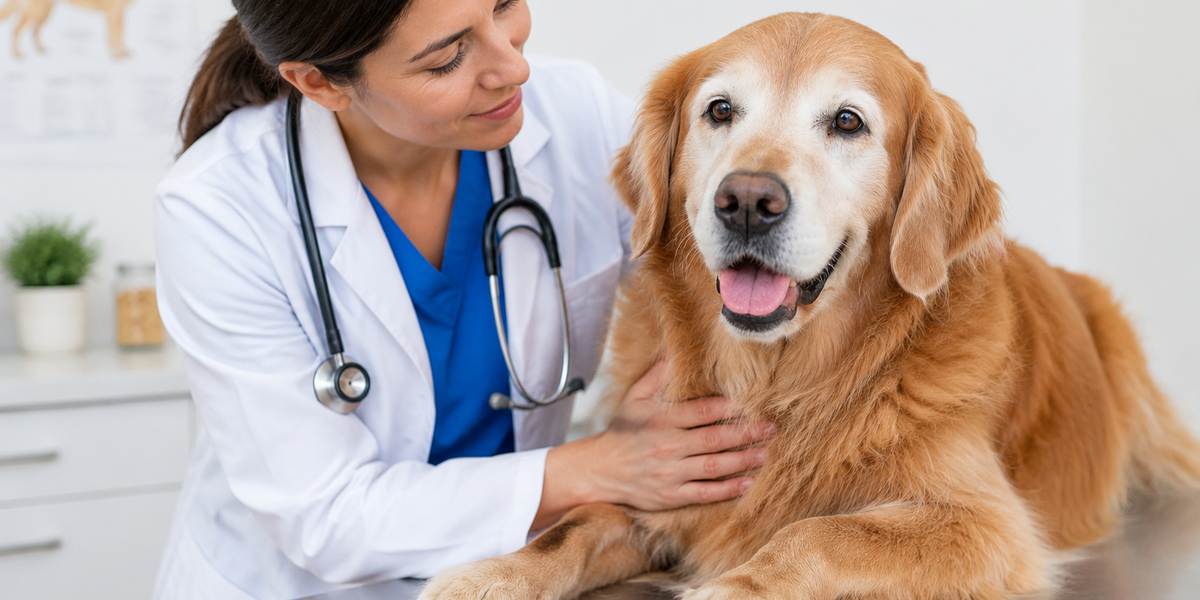
A thorough senior exam takes 30-45 minutes and includes a nose-to-tail physical assessment: checking eyes for cataracts or lens changes, ears for infections, mouth for dental disease and oral masses, heart and lungs with a stethoscope, abdomen for organ enlargement or masses, joints for pain and range of motion, skin for lumps or lesions, and lymph nodes for swelling. Your vet will ask about appetite, water intake, urination and bowel habits, activity level, and any behavioral changes you've noticed.
Bloodwork is drawn via a quick stick in the jugular or leg vein. Most in-house labs return results within 15 minutes, so your vet can discuss findings during the same appointment. If values are abnormal, they'll explain whether it's something to recheck in a few weeks, adjust with diet or medication, or investigate further with imaging (X-rays or ultrasound).
Urine samples are collected either by catching a sample at home (using a clean container during a morning walk) or via cystocentesis (needle aspiration through the abdomen) if a sterile sample is needed to rule out infection. Blood pressure is measured using a cuff on the tail or foreleg, similar to human BP monitoring.
How to Prepare for Senior Dog Vet Visits
Bring a list of current medications, supplements, and any over-the-counter products your dog takes, including dosages and frequency. Note any changes in behavior, appetite, water intake, urination, or mobility since the last visit — even subtle shifts matter. If you've noticed new lumps, take a photo with a coin next to it for size reference and note when you first felt it.
Fast your dog for 8-12 hours before the appointment if bloodwork is scheduled (water is fine). This ensures accurate glucose and lipid readings. Bring a fresh urine sample if you're able to collect one that morning — it saves time and makes the appointment smoother.
If your dog is anxious at the vet, ask about fear-free handling techniques or whether a mild sedative prescribed for home use before the appointment might help. Chronic stress during vet visits can spike blood pressure and cortisol levels, skewing lab results.
Frequently Asked Questions
When does a dog become "senior"?
Most medium and large breeds hit senior status around age 7. Giant breeds (Great Danes, Mastiffs, Saint Bernards) age faster and are considered senior by age 5-6. Small breeds (under 20 pounds) often don't reach senior status until age 10-12. The shift is based on life expectancy — senior years represent roughly the final 25% of a dog's expected lifespan.
What if my senior dog seems healthy — do we still need twice-yearly visits?
Yes. The point of biannual exams is catching problems before symptoms appear. Kidney disease, for example, doesn't show outward signs until 75% of kidney function is lost. Bloodwork and urinalysis detect early-stage disease when interventions (diet changes, medication, hydration support) can slow progression and preserve quality of life for years.
How much do senior wellness exams cost?
Basic senior wellness exams with bloodwork run $200-$400 depending on location and the lab panel's scope. Adding urinalysis, blood pressure, and thyroid testing pushes costs to $300-$500. Dental cleanings under anesthesia (often recommended every 1-2 years for seniors) range from $500-$1,200. Pet insurance or wellness plans can offset these costs — compare options before your dog turns 7, as pre-existing conditions may not be covered if you wait.
Can I skip bloodwork if my dog had labs six months ago and everything was normal?
Vets strongly discourage skipping bloodwork in senior dogs. Organ function can decline rapidly, and comparing results every six months reveals trends that a single snapshot misses. A creatinine level that jumps from 1.2 to 1.6 over six months signals early kidney stress, even though both values technically fall within normal range.
What are the most common health problems found during senior exams?
Dental disease, arthritis, kidney disease, heart murmurs, obesity, hypothyroidism, and benign lumps (lipomas) top the list. Cancer, diabetes, and Cushing's disease are also diagnosed frequently in dogs over age 10. Many of these conditions are manageable if caught early, which is why the compressed exam schedule matters.
Final Thoughts
Senior dogs need vet visits every six months starting at age 7, with quarterly or more frequent monitoring once they reach geriatric status or develop chronic conditions. Each exam includes a full physical, bloodwork, urinalysis, and often blood pressure screening — the goal is detecting problems while they're still treatable, not waiting for symptoms to force your hand.
The investment in preventive care pays off in years of quality time with your dog. Kidney disease caught at stage 1 via lab work can be managed for years with diet and hydration support. Arthritis pain addressed early preserves mobility and prevents the downward spiral of inactivity, weight gain, and muscle loss. Dental disease treated before bacteria seed the bloodstream protects the heart and kidneys from secondary damage.
Set reminders now for your dog's next wellness exam, and if you're juggling multiple senior pets, consider the PetDesk Veterinary Records Organizer to keep everyone's medical history straight. Your vet will thank you, and you'll feel more in control when managing age-related changes.
Editor's Choice
Our top recommendation for managing senior dog vet care is the PetDesk Veterinary Records Organizer — keeping bloodwork trends, medication lists, and appointment summaries in one place makes biannual exams smoother and helps you catch patterns your vet needs to see. For monitoring kidney health between visits, the Petnostics Kidney + Liver At-Home Test Strips provide FDA-cleared early detection for under $35. And if arthritis is already part of your dog's senior years, the Buddyrest Orthopedic Memory Foam Dog Bed offers medical-grade joint support that reduces pain and preserves mobility.